


Lithium Battery vs Lead Acid Battery: Which One Should You Choose?


With rising electricity costs, frequent power cuts, and the growing use of solar and inverter systems, choosing the right battery has become more important than ever. Two of the most common options available today are Lithium Batteries and Lead Acid Batteries.
But which one is better for your needs?
In this blog, we’ll compare Lithium Battery vs Lead Acid Battery in detail—covering performance, lifespan, cost, maintenance, safety, and real-world use cases—so you can make the right decision.
1. What Is a Lithium Battery?
A Lithium Battery (usually Lithium-ion or LiFePO₄) stores energy using lithium compounds. These batteries are widely used in solar systems, electric vehicles, home inverters, telecom, and industrial applications.
Key Features:
- Lightweight and compact
- Fast charging
- Deep discharge capability
- Built-in Battery Management System (BMS)
2. What Is a Lead Acid Battery?
A Lead Acid Battery is a traditional battery that uses lead plates and sulfuric acid to store energy. It has been used for decades in inverters, UPS systems, automobiles, and backup power.
Key Features:
- Low initial cost
- Proven and familiar technology
- Widely available
- Heavy and bulky
3. Lithium Battery vs Lead Acid Battery: Detailed Comparison
🔋 1. Lifespan & Charging Cycles
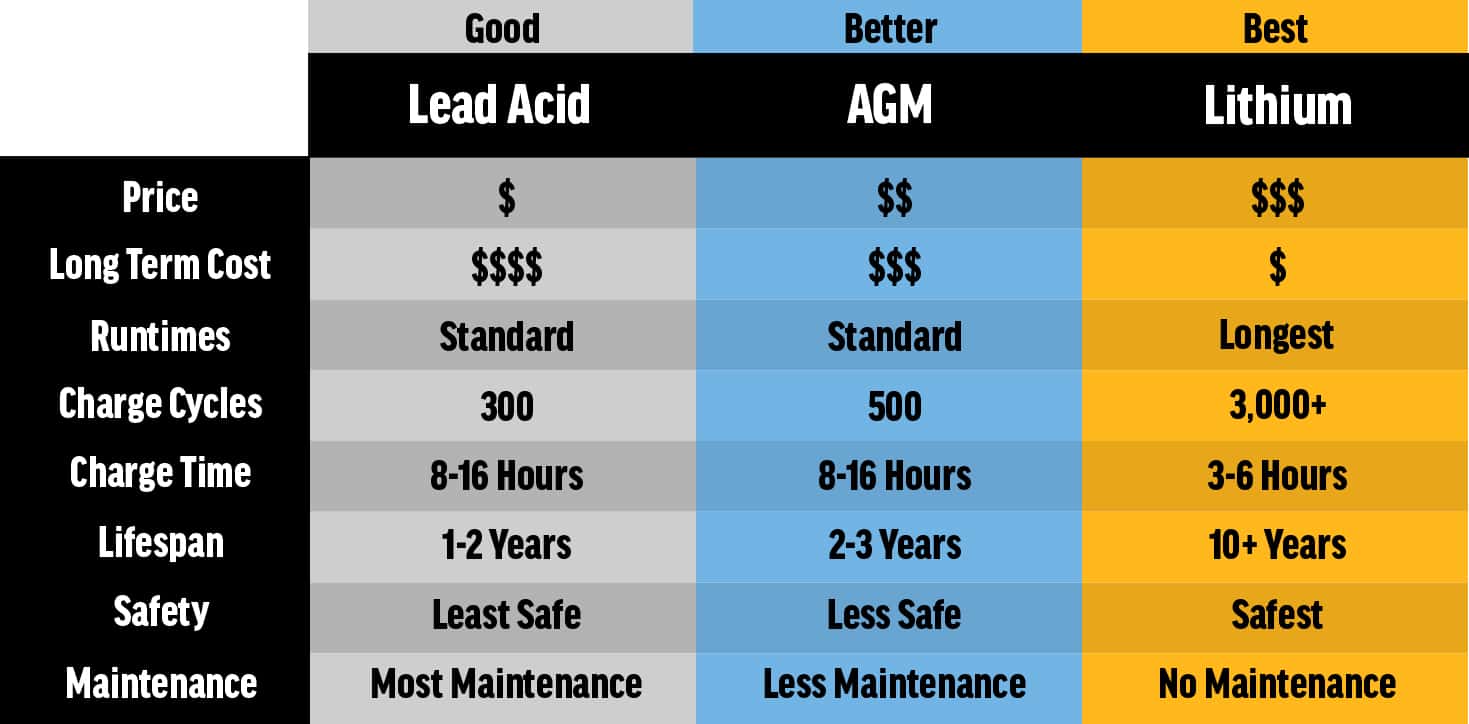
| Battery Type | Average Lifespan | Charging Cycles |
|---|---|---|
| Lithium Battery | 8–12 years | 3000–6000 cycles |
| Lead Acid Battery | 2–4 years | 500–1000 cycles |
👉 Winner: Lithium Battery
Lithium batteries last 3–4 times longer, making them more cost-effective in the long run.
⚡ 2. Charging Speed & Efficiency
- Lithium Battery:
- Charges 3–5 times faster
- Efficiency up to 95%
- Lead Acid Battery:
- Slow charging
- Efficiency around 70–80%
👉 Winner: Lithium Battery
Perfect for solar systems where quick charging is critical.
🔌 3. Depth of Discharge (DoD)
- Lithium Battery: Can safely use 80–95% of total capacity
- Lead Acid Battery: Recommended only 50% usage
Example:
A 100Ah lithium battery gives almost full usable power, while a 100Ah lead acid battery gives only ~50Ah.
👉 Winner: Lithium Battery
🧰 4. Maintenance Requirements
- Lithium Battery:
- Zero maintenance
- No water topping
- No acid leaks
- Lead Acid Battery:
- Regular water topping
- Corrosion issues
- Acid fumes
👉 Winner: Lithium Battery
Ideal for homes, offices, and apartments.
⚖️ 5. Weight & Space
- Lithium Battery:
- 50–70% lighter
- Compact design
- Lead Acid Battery:
- Heavy and bulky
- Needs ventilation space
👉 Winner: Lithium Battery
🔐 6. Safety & Technology
- Lithium Battery:
- Built-in BMS protects from overcharge, deep discharge, overheating, and short circuits
- Lead Acid Battery:
- No smart protection
- Risk of acid leakage and gas emission
👉 Winner: Lithium Battery
4. Cost Comparison: Short-Term vs Long-Term
| Factor | Lithium Battery | Lead Acid Battery |
|---|---|---|
| Initial Cost | High | Low |
| Replacement Cost | Very Low | Frequent |
| Maintenance Cost | Nil | High |
| Cost Over 10 Years | Lower | Higher |
👉 Conclusion:
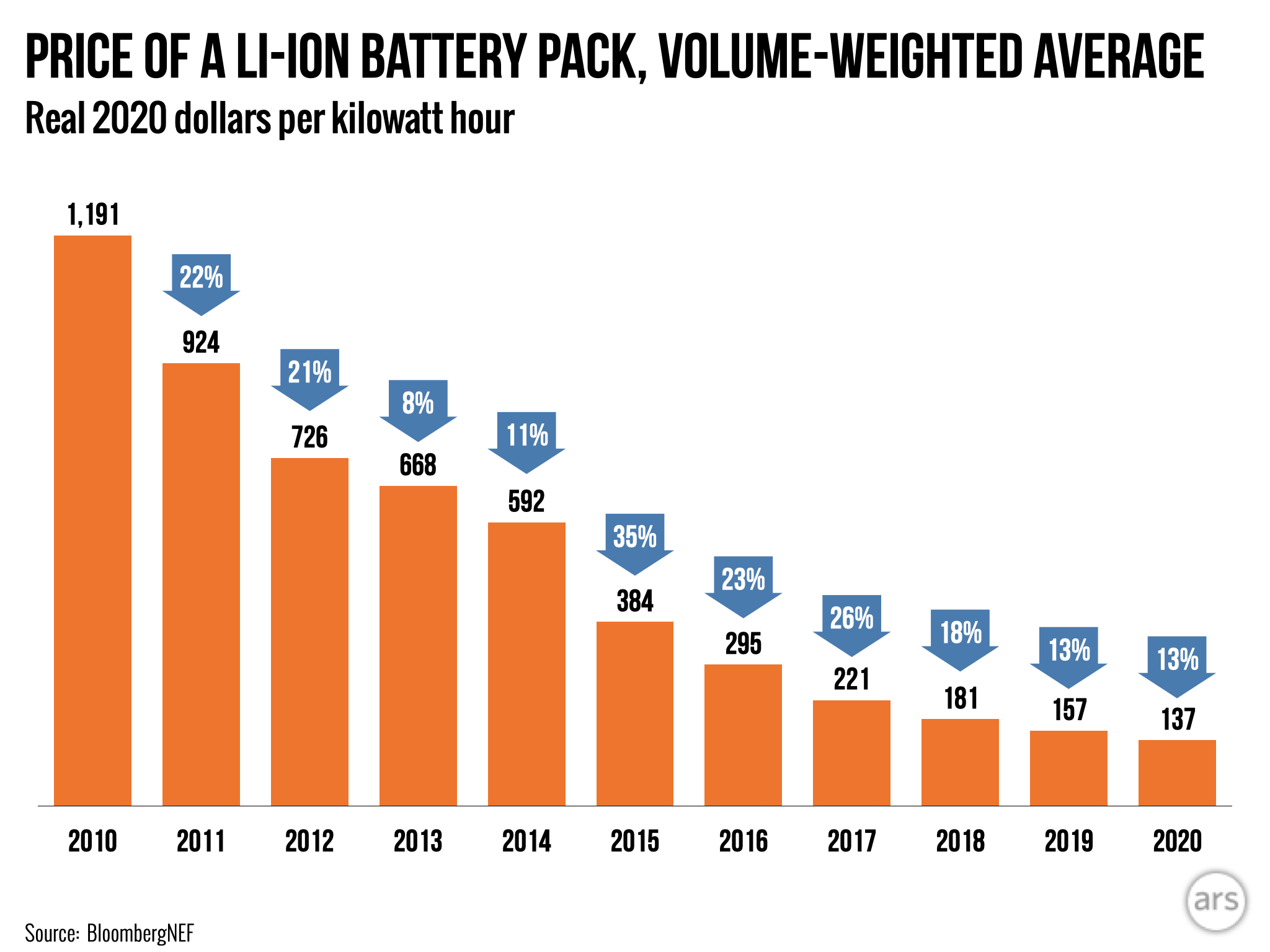
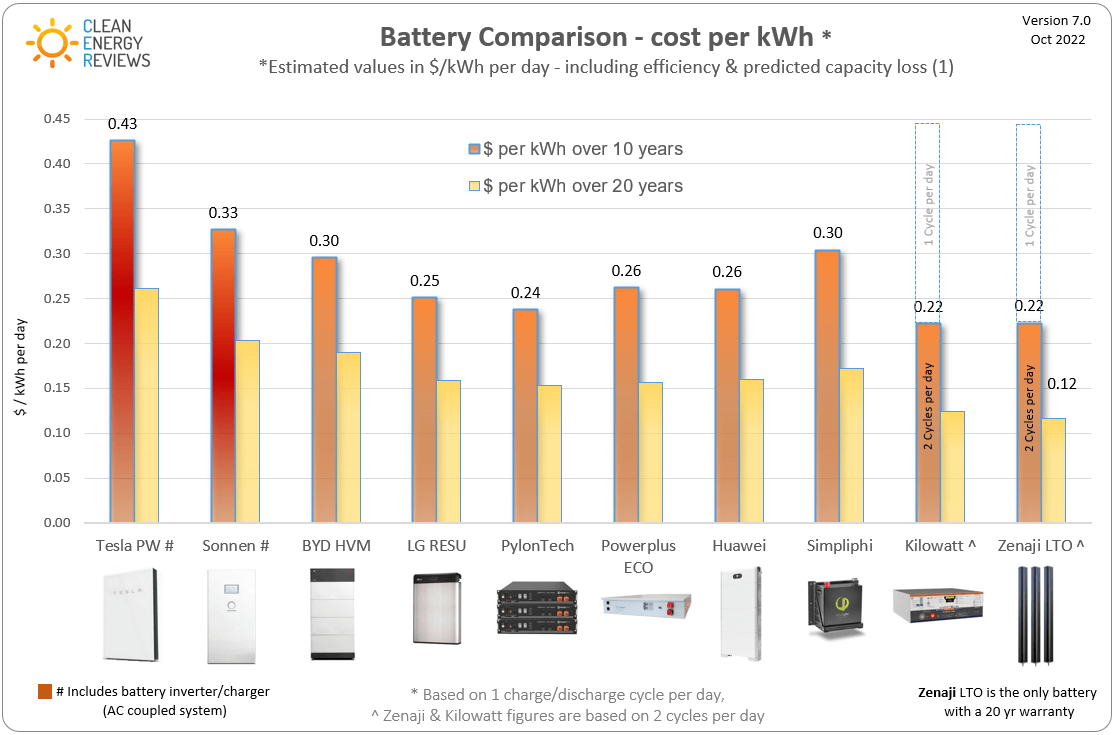
While lithium batteries cost more upfront, they are cheaper over time due to longer life and zero maintenance.


